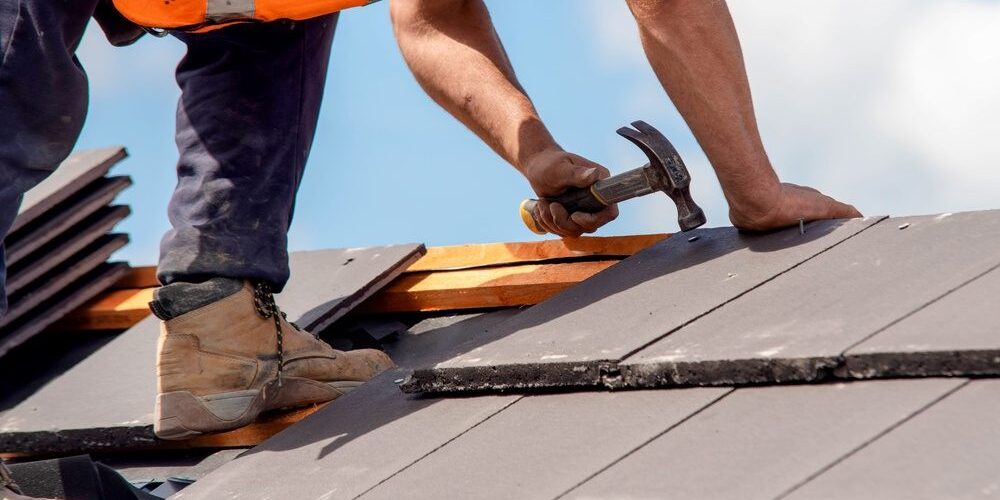
How to Choose the Best Residential Roofer for Your Ottawa Home Renovation. Your home renovation plans are coming together, but the roofing portion presents a unique challenge.  Unlike interior updates you can inspect daily, roofing work demands technical expertise, safety protocols, and long-term reliability you can’t easily verify on your own. Selecting the right contractor now determines whether your investment protects your home for decades or leads to costly repairs within a few years.
Verify Licensing, Insurance, & Local Standing
Start with the non-negotiables. Any contractor you’re considering should carry valid liability insurance and WSIB coverage for their workers. Request certificates directly and verify them with the issuing companies, not just the photocopies a contractor provides. This protects you from liability if someone gets injured on your property during the project.
Check their business registration and how long they’ve operated in Ottawa. Established local companies have reputations to maintain and community ties that discourage poor workmanship. Look for mentions in local business directories, Better Business Bureau ratings, and any industry association memberships. While these credentials don’t guarantee quality work, their absence should raise questions.
Ask about manufacturer certifications as well. Major shingle and roofing material manufacturers like GAF, IKO, and Owens Corning offer training programs and certify contractors who meet their standards. Certified installers often provide access to extended warranties you can’t get otherwise, adding years of protection to your investment.
Review their physical presence too. Contractors with established offices, marked vehicles, and consistent contact information signal stability. Be cautious of those operating only through mobile phones or post office boxes, particularly for a significant investment like residential roofing.
Evaluate Their Specialization & Service Range
Not all roofing companies handle the same types of projects equally well. Some focus primarily on repairs and maintenance, while others specialize in full replacements and complex installations. Your renovation might involve architectural details, multiple roof planes, or specific material requirements that demand particular expertise.
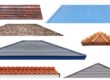
Ask potential contractors about their experience with your roof type. Asphalt shingles, metal roofing, flat membrane systems, and cedar shakes each require different skills and equipment. A company that excels at one may lack depth in another. Request examples of similar projects they’ve completed in Ottawa neighbourhoods, ideally with similar architectural styles to your home.
Consider the full scope of what they offer. Quality roofing work often connects to proper ventilation, insulation assessment, gutter systems, and attic moisture management. Contractors who understand these relationships deliver better overall results than those who replace shingles without examining the complete roofing system. Some projects benefit from comprehensive roofing inspection services that identify underlying issues before installation begins.
Ask how they handle unexpected discoveries. Roof decking damage, inadequate ventilation, or structural concerns often emerge once old materials come off. Reputable contractors explain how they communicate these findings, provide options, and adjust timelines and budgets when necessary.
Assess Communication Style & Project Management
The quality of your working relationship matters almost as much as the technical work itself. During initial consultations, notice how thoroughly contractors answer questions. Do they explain their recommendations in terms you understand, or do they rely on jargon and rush through explanations? Can they articulate why they suggest specific materials or approaches for your situation?
Request detailed written estimates that break down materials, labour, timeline, and payment schedule. Vague quotes that lump everything into a single figure make it impossible to understand what you’re paying for or compare options meaningfully. Quality estimates specify shingle brand and model, underlayment type, ventilation components, waste removal, and warranty coverage.
Discuss their project management approach. Who supervises the work site daily? How do they handle weather delays? What hours will crews work, and how will they protect your property and landscaping? Roofers in Ottawa deal with weather variability throughout the renovation season, so experienced contractors build realistic schedules with contingency plans.
Ask about their communication protocols. Will you receive updates at key milestones? Who do you contact with concerns during the project? Companies that establish clear communication channels and follow through consistently make the entire experience less stressful.
Understand Warranty Coverage & Post-Installation Support
Roofing warranties involve multiple layers of protection, and many homeowners don’t understand what they’re actually getting. Material warranties come from manufacturers and cover defects in shingles or roofing products themselves. These range from 25 years to lifetime coverage, but the terms vary significantly. Some are prorated, meaning coverage value decreases over time. Others require specific installation methods to remain valid.
Workmanship warranties come from the contractor and cover installation errors, leaks from improper flashing, or failures related to how materials were applied. This protection matters enormously because most roofing problems stem from installation issues rather than material defects. Quality contractors stand behind their work with substantial workmanship warranties, typically ranging from five to ten years, sometimes longer.
Get all warranty terms in writing before signing contracts. Understand what voids coverage, whether the warranty transfers if you sell your home, and what the claims process involves. Some warranties require annual inspections or specific maintenance to remain valid.
Ask about their service after project completion. Do they perform final inspections? Will they return for a follow-up check after the first major weather event? How quickly do they respond to concerns in the months following installation? Companies confident in their work offer accessible post-installation support, not just legal warranty documents. For extensive renovation projects that might include roof replacement alongside other updates, confirm how the roofing timeline coordinates with other contractors’ schedules.
Making Your Final Decision
After gathering all this information, compare your options based on overall value rather than price alone. The lowest bid often reflects shortcuts in materials, preparation, or crew experience that cost you more long-term. The highest bid doesn’t automatically mean superior quality either.
Look for contractors who demonstrated thorough assessment of your specific situation, provided detailed documentation, communicated clearly throughout the evaluation process, and showed genuine interest in delivering lasting results rather than just closing a sale. Trust your instincts about professionalism and reliability. If something feels off during the estimate process, it rarely improves once work begins.
Frequently Asked Questions
Q: How many estimates should I get for my roofing project?
A: Three to four detailed estimates give you enough information to identify market rates and compare approaches without becoming overwhelming. Focus on the quality of each evaluation rather than collecting as many quotes as possible. A contractor who spends an hour thoroughly inspecting your roof and asking about your goals provides more value than five who offer numbers after a glance from the ground.
Q: What questions should I ask references provided by roofing contractors?
A: Contact at least two recent customers and ask specific questions: Did the crew arrive on schedule? How did the contractor handle unexpected issues? Was the site kept clean? Did the final cost match the estimate? Would they hire this company again? Pay attention to comments about communication and problem-solving, not just whether the roof looks good.
Q: Should I pay the full amount upfront for roofing work?
A: Never pay the complete cost before work begins. Standard practice involves a deposit to secure materials and schedule the project, typically 10 to 30 percent, with the balance due upon satisfactory completion. Be cautious of contractors demanding large upfront payments or full cash payment before starting. Legitimate companies with established supplier relationships don’t require this.
Final Thoughts
Choosing the right contractor transforms your roofing project from a source of stress into a solid investment that protects your home for years to come. The effort you invest in a thorough evaluation now prevents the frustration and expense of dealing with substandard work later. When you’re ready to discuss your specific renovation plans with experienced professionals, Request a Quote to get started with a detailed assessment of your project.