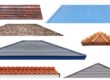


The roofing industry in Ottawa offers stable, well-paying careers with clear advancement paths. Yet, many job seekers overlook these opportunities due to misconceptions about the work or uncertainty about how to enter the field. Understanding the types of positions available, the skills required, and the potential for growth can help you make an informed decision about pursuing a career in roofing.
Types of Roofing Positions Available in Ottawa
The roofing sector encompasses a diverse range of roles, each requiring different skill sets and offering unique career trajectories. Entry-level positions typically include roofing labourers who assist experienced crew members with material handling, job site preparation, and cleanup. These roles provide essential hands-on experience and familiarize newcomers with safety protocols, tools, and basic roofing techniques.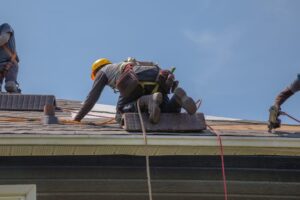
Residential roofers specialize in installing, repairing, and maintaining roofs on single-family homes, townhouses, and small multi-unit buildings. This work involves handling asphalt shingles, metal roofing systems, and flat roof membranes. Residential work often requires attention to aesthetic detail alongside functional installation, as homeowners care deeply about how their roofs complement their properties.
Commercial roofing positions focus on larger structures such as office buildings, warehouses, and retail centres. These projects typically involve different materials and techniques than residential work, including TPO and EPDM membranes, modified bitumen systems, and built-up roofing. Commercial projects are generally larger in scope and may require specialized equipment like cranes or hoisting systems.
Skilled tradespeople can advance to roles such as crew leader or foreman, overseeing project execution, managing team members, and ensuring quality standards. These supervisory positions require both technical expertise and leadership abilities. Beyond fieldwork, experienced professionals may transition into estimating, project management, or inspection roles that leverage their practical knowledge in different capacities.
Essential Skills & Qualifications for Roofing Careers
Physical fitness forms the foundation of roofing work. The job demands the ability to lift heavy materials repeatedly, work in challenging positions, and maintain balance on sloped or elevated surfaces throughout the workday. Comfort with heights is non-negotiable, as most roofing work occurs well above ground level, often in exposed conditions.
Technical skills develop progressively through training and experience. New workers learn proper material handling, basic installation techniques, and tool operation under supervision. As proficiency grows, roofers master more complex tasks such as flashing installation, valley construction, and waterproofing details that prevent leaks and ensure long-term performance.
Understanding building codes and manufacturer specifications becomes increasingly important as responsibilities expand.
Safety consciousness cannot be overstated in this field. Workers must consistently follow fall protection protocols, properly use personal protective equipment, and maintain awareness of potential hazards.
Reputable roofing contractors prioritize comprehensive safety training and create a culture where safe practices are standard operating procedure, not optional extras. Problem-solving abilities distinguish competent roofers from exceptional ones.
Every roof presents unique challenges, whether dealing with complex architectural features, addressing unexpected substrate conditions, or adapting to weather constraints. The ability to assess situations, identify effective solutions, and execute them properly separates skilled professionals from those who merely follow rote procedures.
Communication and teamwork matter more than many newcomers expect. Roofing crews must coordinate closely to work efficiently and safely. Clear communication about task sequencing, material needs, and potential issues keeps projects running smoothly.
Customer interaction skills also prove valuable, particularly for those working on residential projects where homeowners have questions and concerns about work affecting their largest investment.
Training Pathways & Career Development
Most roofing professionals enter the field through on-the-job training rather than formal education programs. Entry-level positions provide paid learning opportunities where new workers develop skills alongside experienced crew members. This apprenticeship-style approach allows individuals to earn while they learn, making roofing careers accessible to those without extensive formal education or training budgets.
Some workers pursue formal certification through programs offered by manufacturers or industry associations. These credentials demonstrate proficiency with specific roofing systems and can enhance employability and earning potential. Certifications in specialized areas such as green roofing, solar panel integration, or heritage restoration open additional career pathways.
Career progression in roofing typically follows experience and demonstrated competence. A labourer who shows reliability, learns quickly, and maintains safety standards may advance to a roofer within one to two years.
From there, progression to lead hand or foreman positions becomes possible for those who develop leadership skills and deeper technical knowledge. Some experienced roofers eventually start their own contracting businesses, though this path requires business acumen beyond roofing expertise.
Continuing education keeps roofing professionals current with evolving materials, techniques, and building codes. Manufacturers regularly introduce new products with specific installation requirements. Building science advances affect proper ventilation and insulation practices. Professionals who invest in ongoing learning position themselves for advancement and higher compensation.
What to Expect When Starting a Roofing Career
New roofing workers should prepare for physically demanding work in variable conditions. Ottawa’s climate means working through hot summers and the shoulder seasons of spring and fall. Winter typically brings reduced work availability, though snow removal and emergency repairs provide some off-season opportunities. 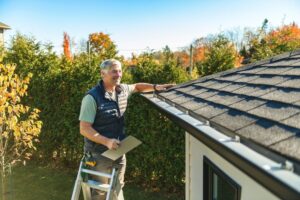
Many roofing companies adjust staffing seasonally, and new workers should plan financially for potential winter slowdowns. Work schedules typically follow daylight hours, with earlier starts during summer months to maximize productive time before afternoon heat peaks.
Projects may require travel to job sites across Ottawa and surrounding communities. Reliable transportation is often a job requirement, though some companies provide crew transportation from a central location.
Starting wages for entry-level roofing positions in Ottawa generally range from reasonable hourly rates that increase with experience and skill development. Experienced roofers command significantly higher compensation, and those with specialized skills or supervisory responsibilities earn more. Many residential roofing companies offer benefits packages for full-time employees, though these vary by employer.
The work environment emphasizes safety and efficiency. Reputable contractors maintain well-organized job sites, provide proper equipment, and enforce safety protocols consistently. New workers should seek employers with strong safety records and positive reputations, as working conditions and training quality vary significantly across the industry.
Frequently Asked Questions About Roofing Careers
Q: What qualifications do I need to start working in roofing?
A: Most entry-level roofing positions require no formal qualifications beyond physical fitness, reliability, and willingness to learn. A valid driver’s license improves employability, as does any previous construction experience. Employers value safety consciousness and a good work ethic over credentials. Some companies prefer candidates who have completed workplace safety training, such as Working at Heights certification, though many provide this training to new hires.
Q: How long does it take to become a fully skilled roofer?
A: Developing comprehensive roofing skills typically requires three to five years of consistent experience across different project types and conditions. However, workers can perform useful tasks and contribute to crews within weeks of starting, with capabilities expanding progressively. The timeline varies based on individual aptitude, learning opportunities, and the diversity of projects encountered. Those who actively seek to understand why specific techniques are used, rather than simply following instructions, tend to develop expertise more quickly.
Q: Are roofing jobs available year-round in Ottawa?
A: Roofing work in Ottawa is seasonal, with peak activity from April through November. Winter weather limits new installations, though emergency repairs and some commercial projects continue during colder months. Many roofing professionals use the winter season for equipment maintenance, training, or complementary work such as snow removal. Established companies with diverse service offerings provide more consistent year-round employment than smaller operations focused solely on installation work.
Building Your Career in Ottawa’s Roofing Industry
A career in roofing offers tangible rewards beyond compensation. The work produces visible, lasting results that protect people and property. Skills developed in roofing transfer to other construction trades, providing career flexibility.
For those who value physical work, outdoor environments, and seeing the direct results of their efforts, roofing provides genuine career satisfaction alongside financial stability. If you’re considering a career in the roofing industry and want to learn more about opportunities with a company that values quality workmanship, safety, and professional development, we’d be glad to speak with you.